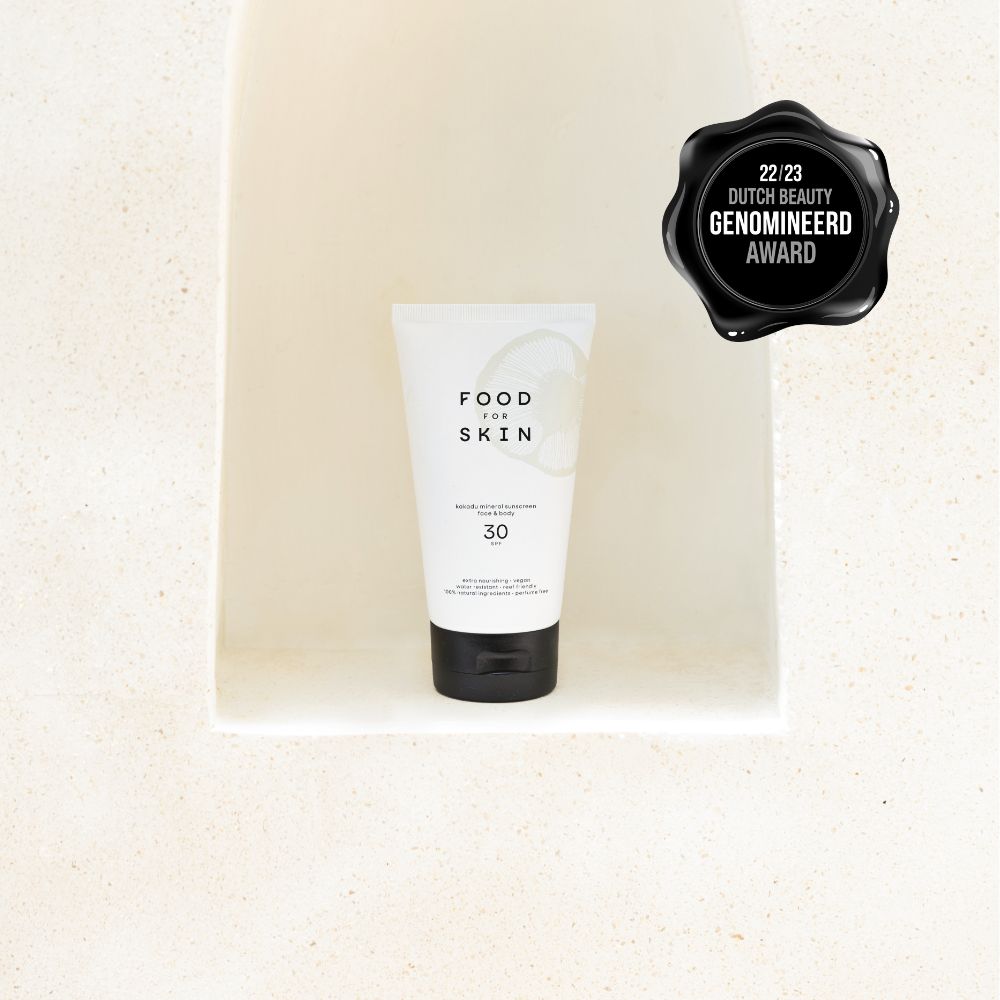
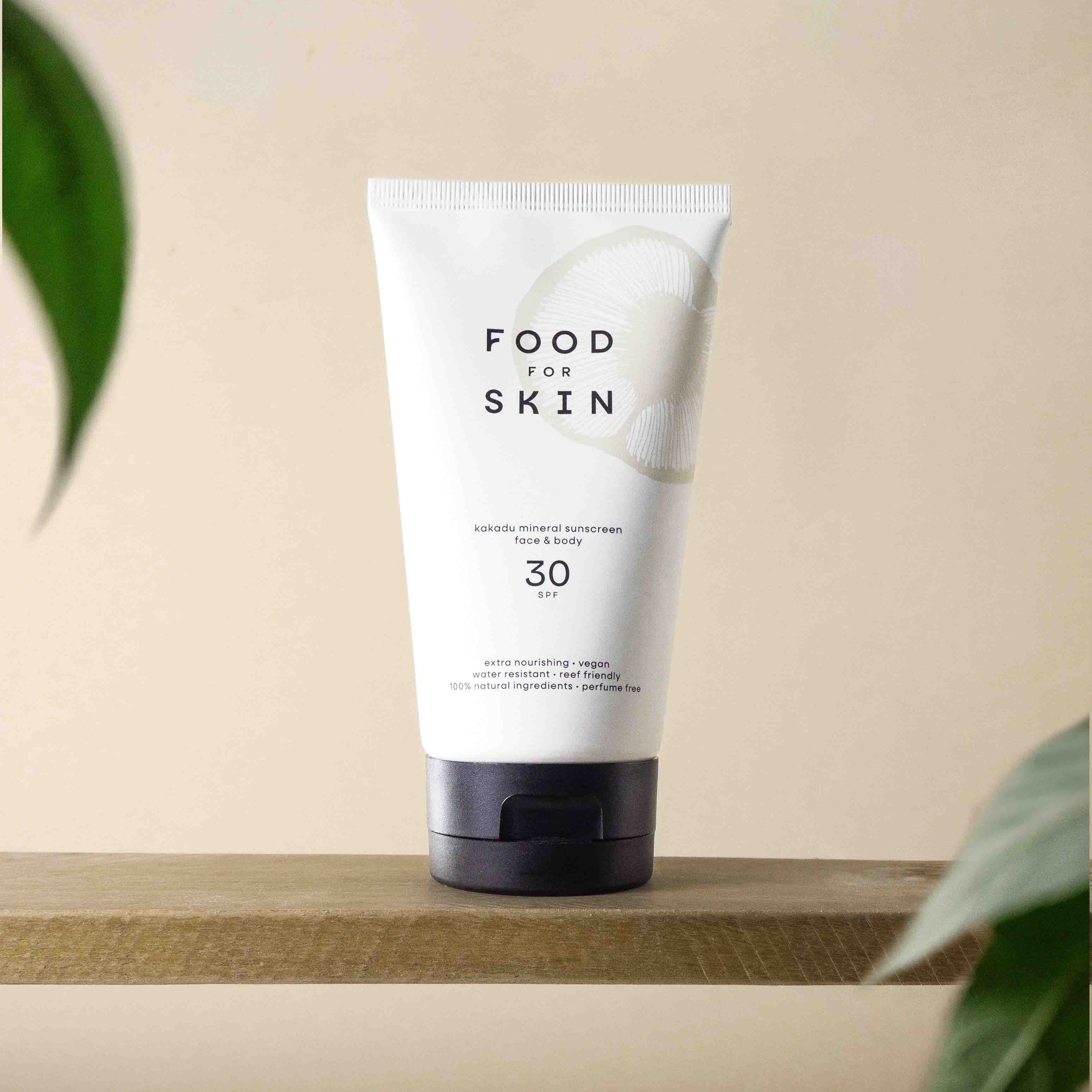
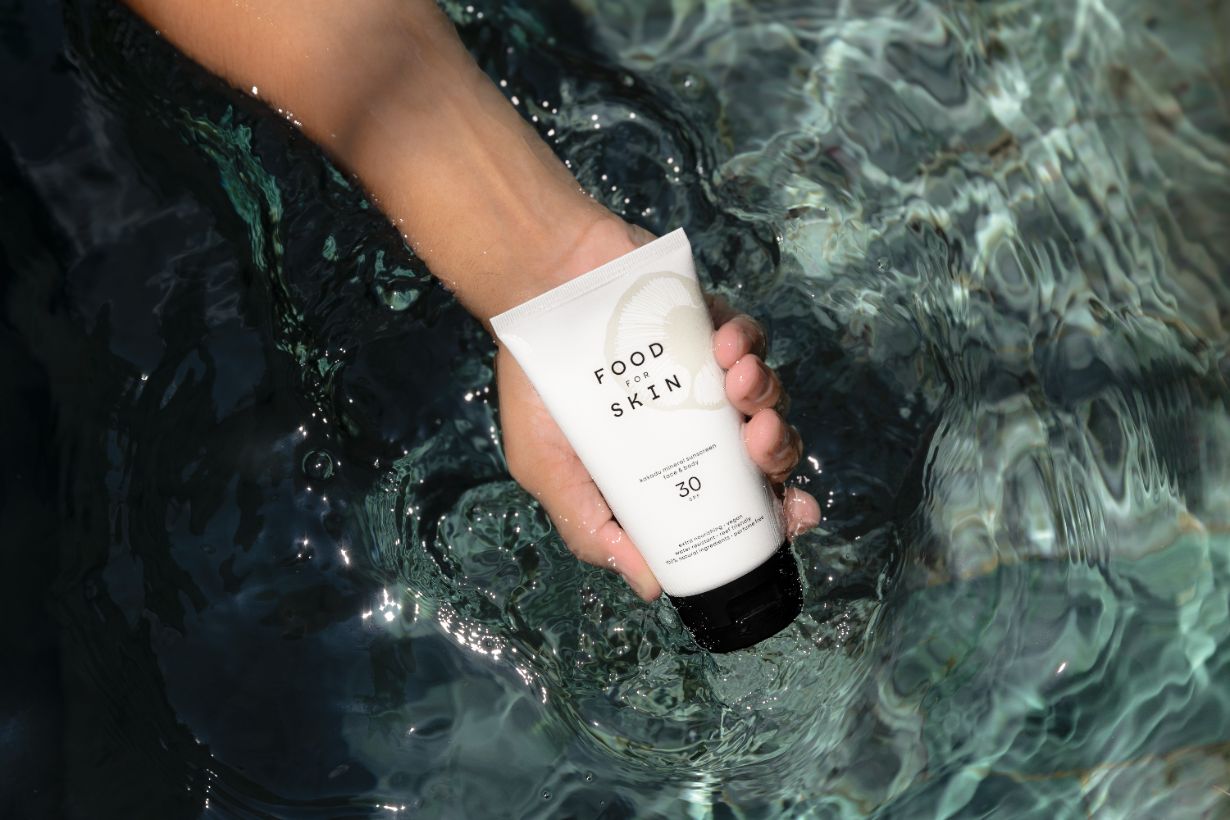
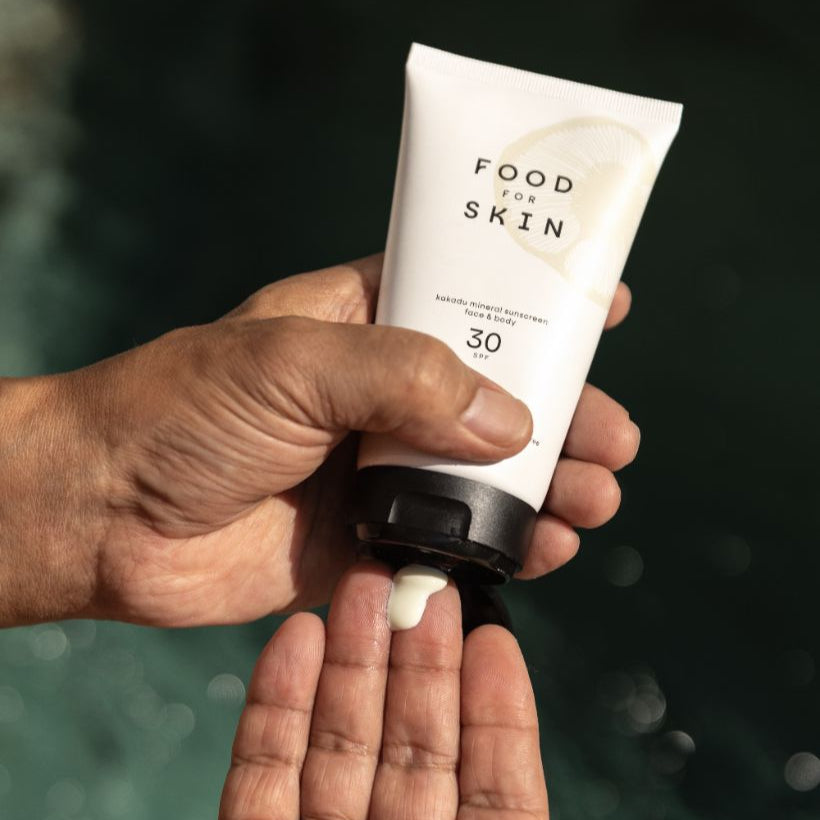
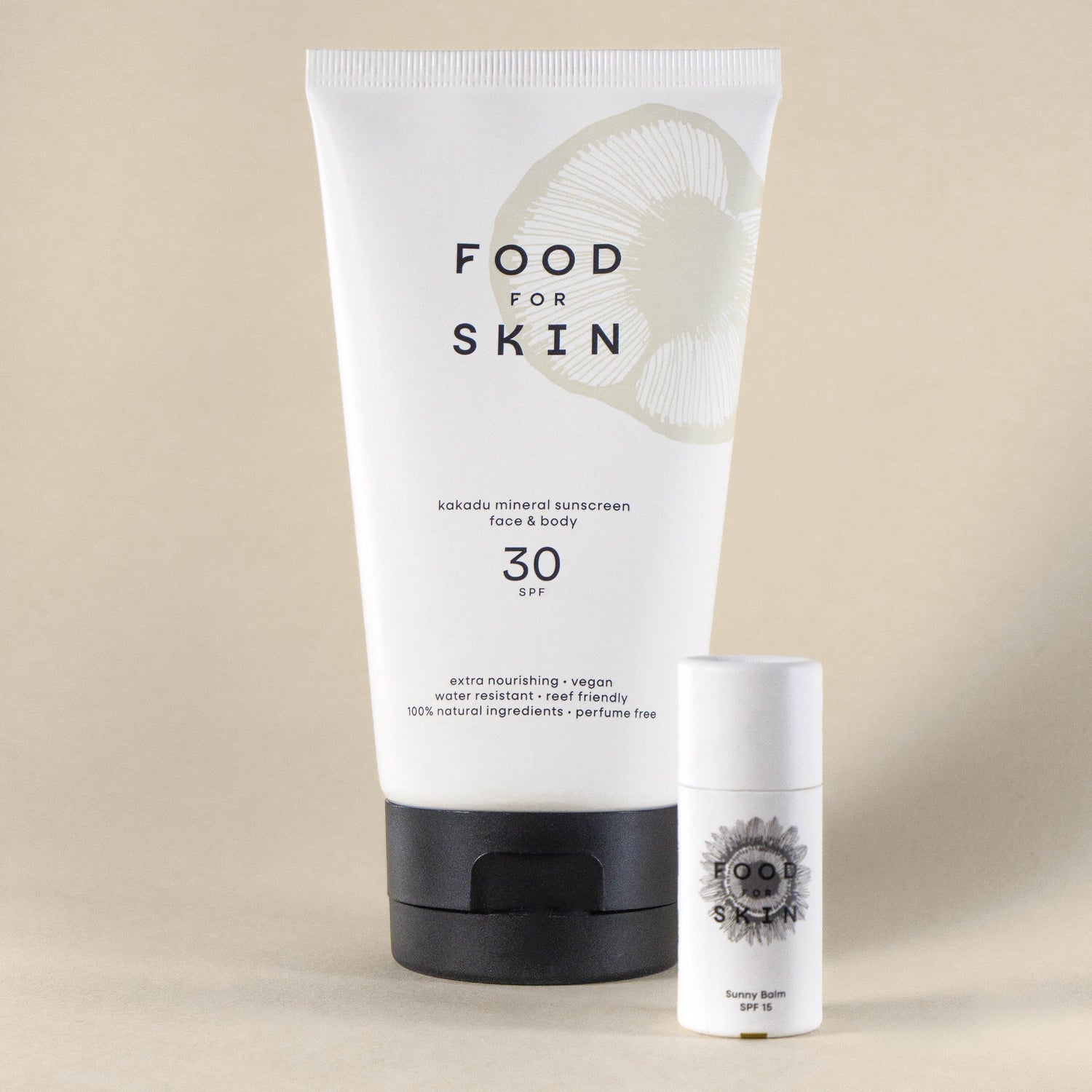
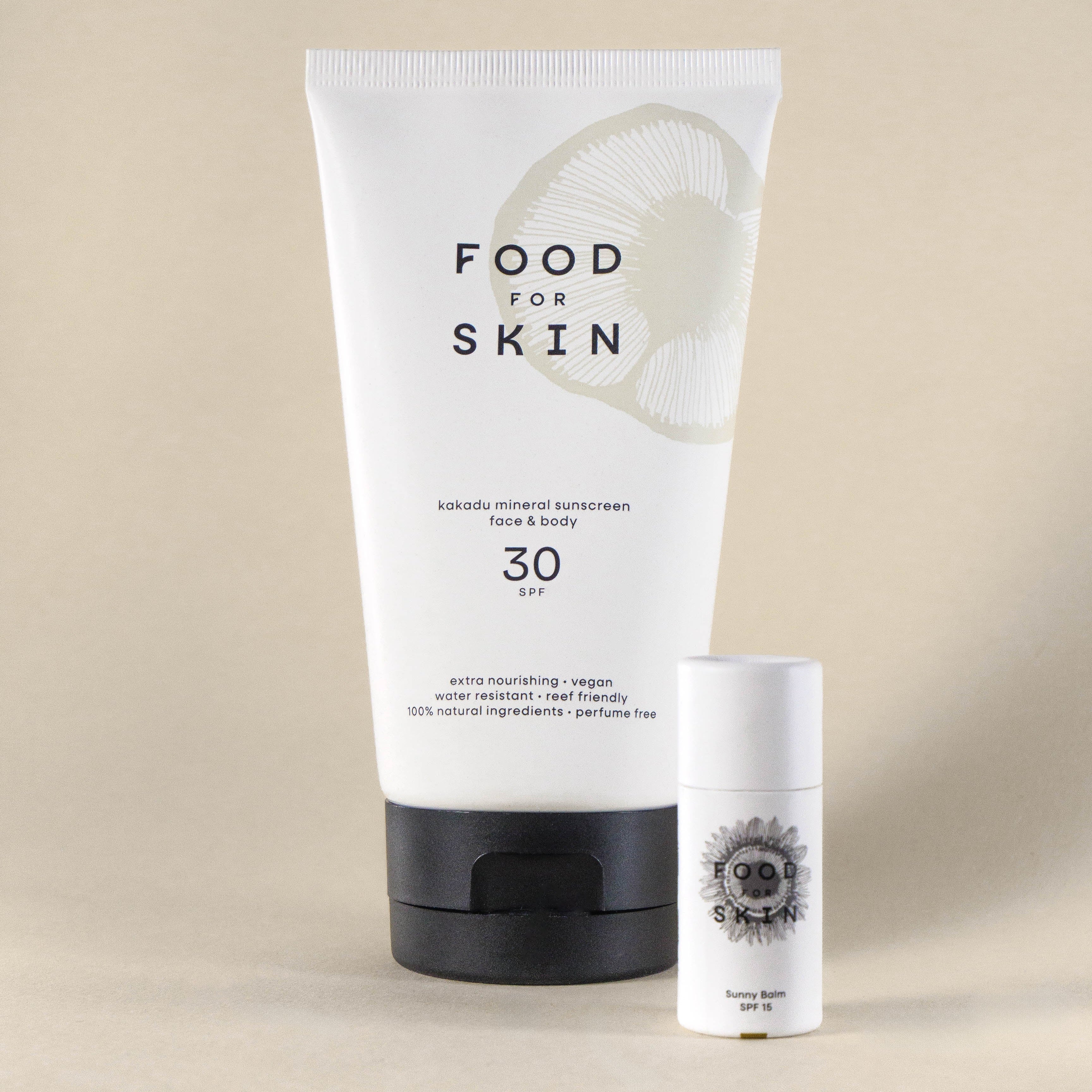
100% mineral sunscreen

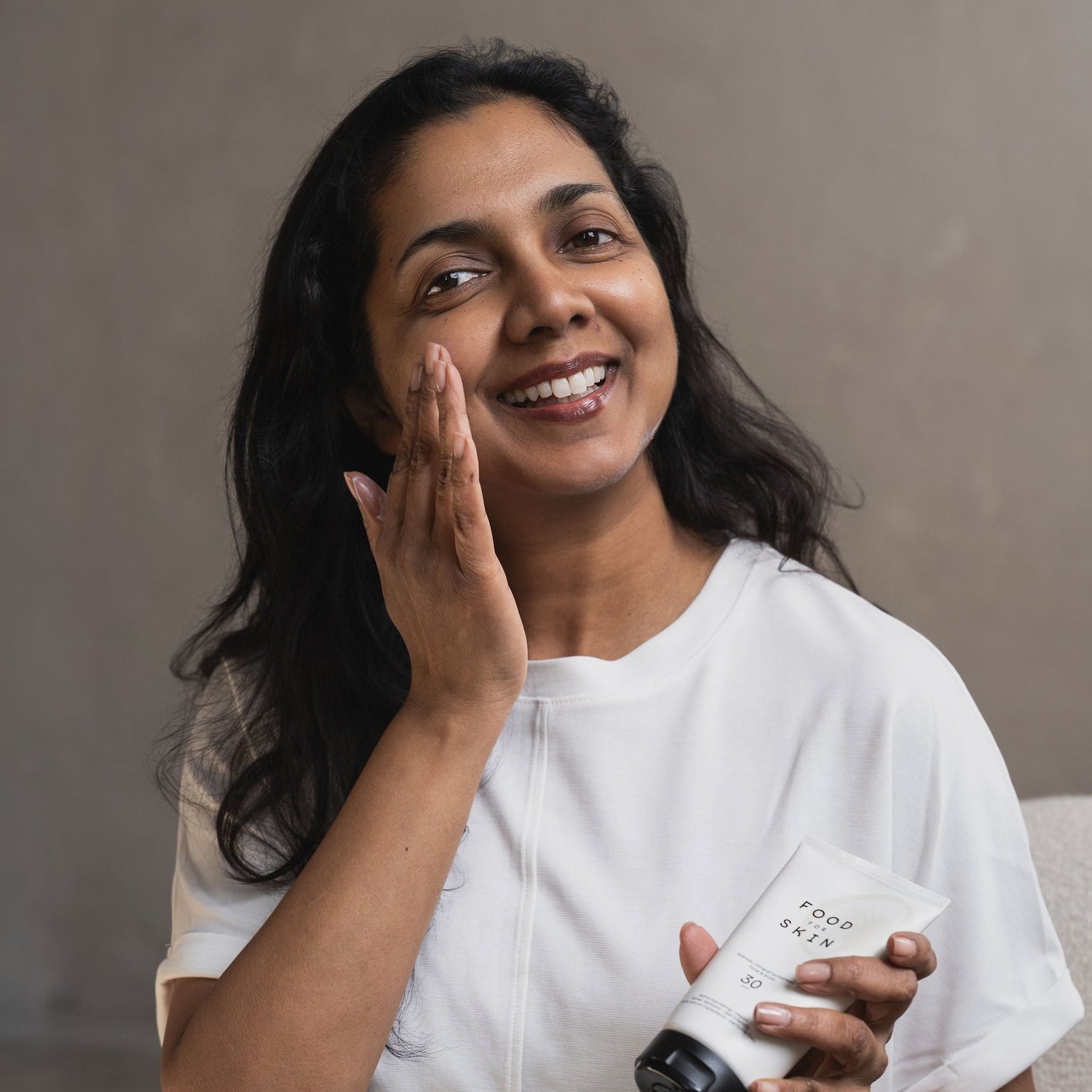
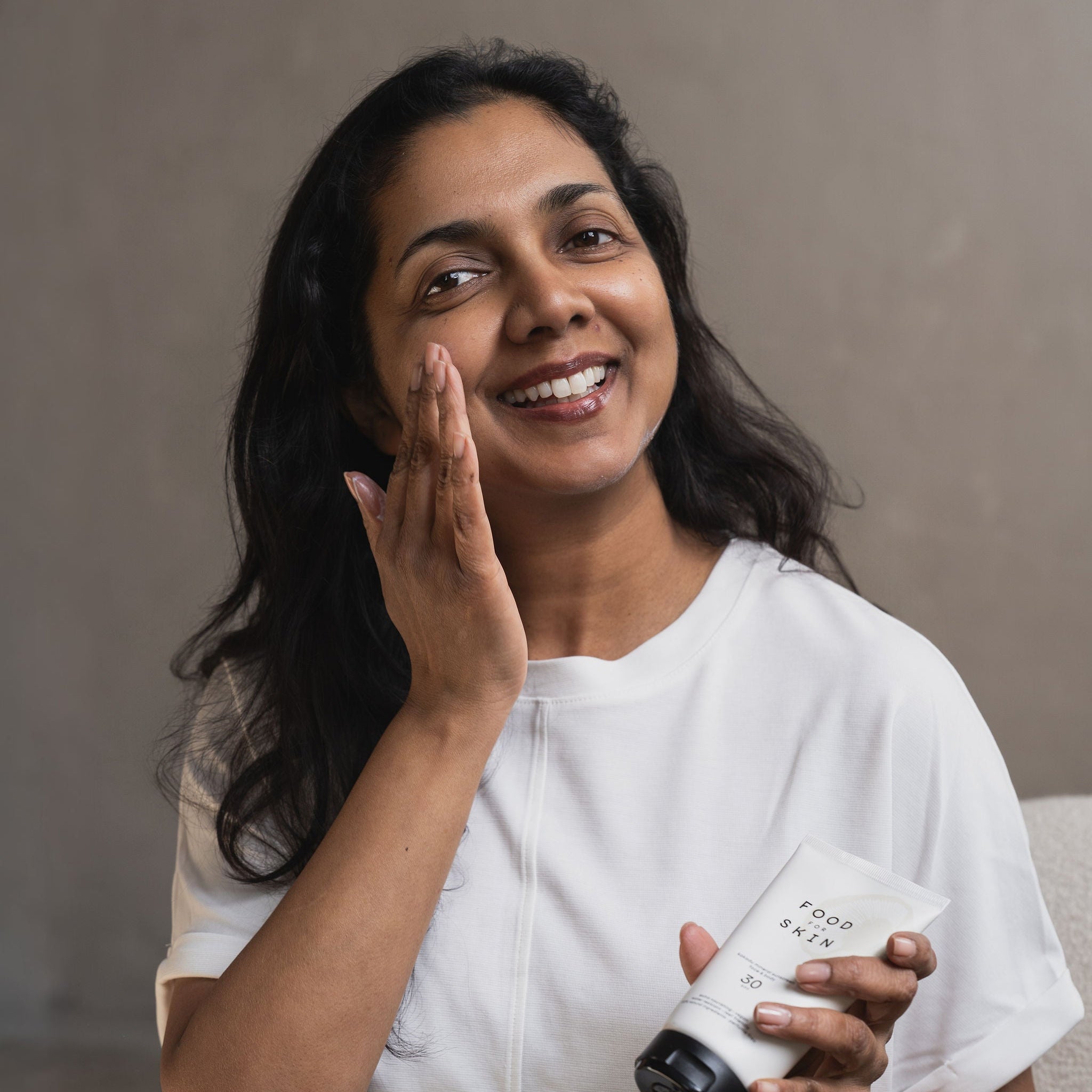
  • Little or no white cast

  • Coral friendly

  • Mineral filter

  • UVA (broad spectrum) + UVB

  • 100% PCR tube = recycled plastic

  • Water repellent

  • Three ingredients from upcycling

  • For everyone from 6 months

Frequently Asked Questions

Which SPF factor should I choose: SPF30 or higher?

SPF 30 offers only slightly less protection than SPF 50 and remains easy to apply without a white cast! That's why we're now opting for SPF 30 only. If you find yourself applying SPF 50 less frequently, it's better to go for an SPF 30 that is pleasant to use.

How do I choose the right sunscreen for my skin type?

The SPF factor stated on the tube must be correct, otherwise the product is not allowed on the market. In addition, you can look for things like 'fragrance-free' if you have sensitive skin.

What is the best sunscreen for sensitive skin?

A sunscreen for sensitive skin preferably contains mild UV filters and as few irritating ingredients as possible. That's why many people opt for a mineral sunscreen with zinc oxide and without synthetic fragrance.

What's the difference between mineral and chemical sunscreen?

Mineral sunscreen protects with UV filters such as zinc oxide. Chemical sunscreen uses organic UV filters that absorb UV radiation. Both protect against the sun, but people with sensitive skin often prefer mineral sunscreen.

Which sunscreen doesn't sting the eyes?

Sunscreen can sting the eyes when the skin is sensitive to certain ingredients. Many people find a fragrance-free mineral sunscreen pleasant to use around the eyes.

Does mineral sunscreen leave a white cast?

That depends on the formula and skin tone. Modern mineral sunscreens often spread much better than before, which usually limits a white cast.

Is natural sunscreen as effective as regular sunscreen?

Yes. The protection depends on the SPF and the UV filters used. A natural sunscreen with SPF 30 protects just as well as any other sunscreen with SPF 30 if you apply enough.

Is your SPF waterproof?

We deliberately use the term water-resistant instead of waterproof. Waterproof sounds as if you can swim all day without reapplying, but that's not how sun protection works. Even a water-resistant sunscreen gradually loses some of its protective layer due to water, sweating, and drying off.

Our water-resistant formula does help protect the skin longer than a non-water-resistant formula, and it also ensures that the product is washed off the skin less quickly in the sea.

Our SPF is tested according to international ISO guidelines for water resistance. During the test, an average of 69% of the original protection was retained after two 20-minute periods in water. This is why we are allowed to use the term 'water-resistant', but we advise reapplying after swimming or drying off.

Sunscreen without bad ingredients

Sunscreen is an essential product that protects us from the sun. It is important to use it when you go out into the direct sun and the sun factor is above 3. The choice is endless for sunscreen, but which one is really good for you?

There are two types of sunscreen on the market: sun protection with mineral filters or with chemically produced filters and substances. The sunscreen with mineral filters places a small layer on the skin, which reflects the sun and prevents it from penetrating your skin.

Sunscreen with chemical filters penetrates into your skin and the UV radiation is broken down there. This filter can cause an allergic reaction on sensitive skin and is also bad for the ocean. A natural sunscreen without the junk is therefore not an unnecessary luxury, but better for your skin and the planet.

Responsible sunscreen without harmful substances

Our sunscreen without harmful substances, but with purely natural and vegan ingredients, is suitable for everyone from 6 months. Not in the sun at all! Our sunscreen is made on the basis of zinc. It contains no nanoparticles (non-nano), so they cannot enter your bloodstream or the coral. The zinc particles are also uncoated, which means that there is no silicone layer around the zinc particles. This makes the sunscreen safer and friendlier to coral and marine life.

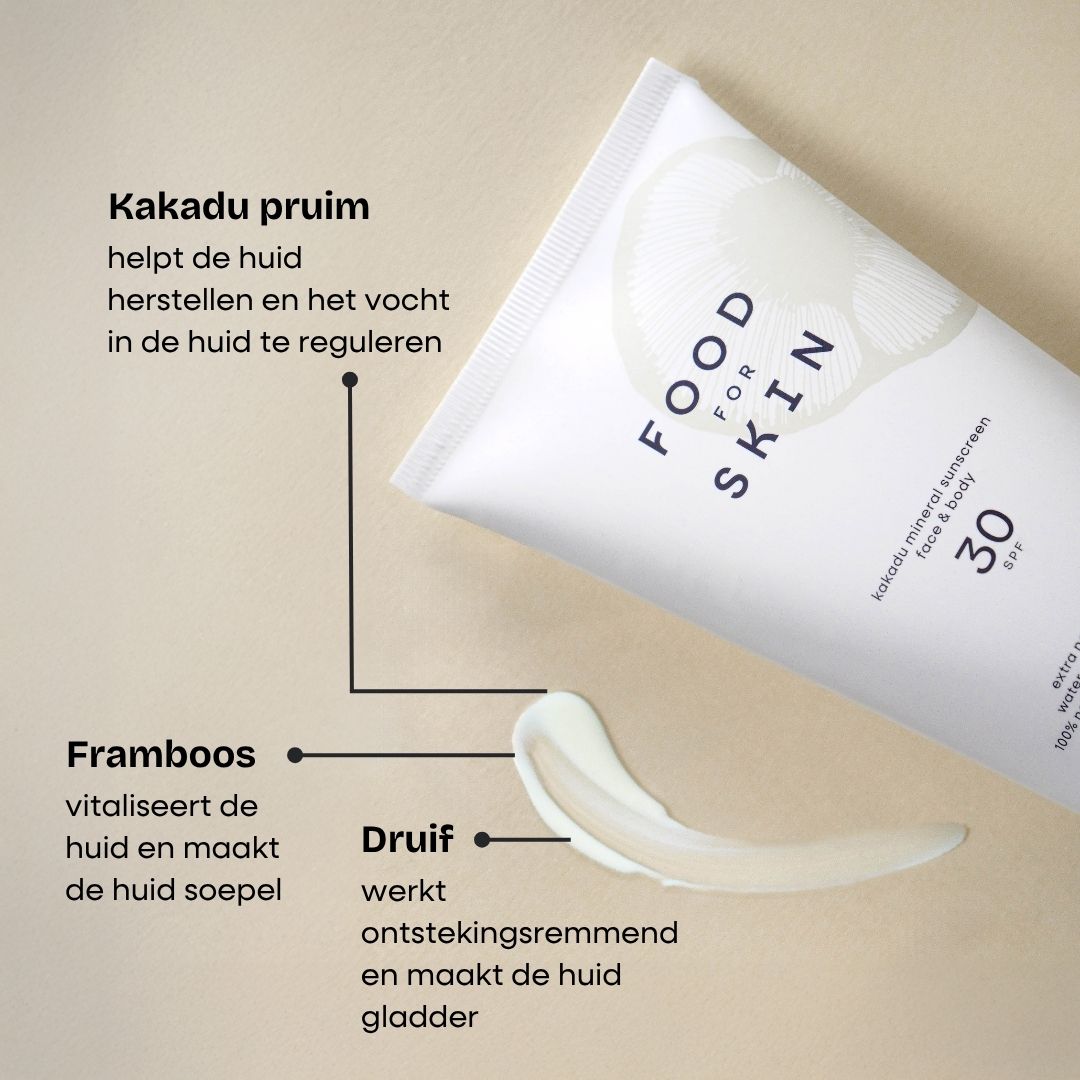
In addition to the fact that Food for Skin's sunscreen only uses natural and vegan ingredients in its sunscreen, it also contains various substances that keep the skin in balance: antioxidants to prevent external influences, moisturizers that help maintain moisture in the skin and substances that help the skin recover. One of the active ingredients of the SPF is the kakadu plum. Did you know that this is the fruit with the most vitamin C? In addition to protection, a real boost for your skin!

Natural sunscreen without any harmful ingredients or white cast

You can use the natural sunscreen for both your face and your body and it provides UVA + UVB protection. This means that the sunscreen prevents burning and serious damage to the skin, but also skin aging!

Until a few years ago, sunscreens with mineral filters often left a white film on your skin. Through extensive research in collaboration with our laboratory, we have created a beautiful formula, including blueberry seed oil, kakadu plum seed oil and raspberry seed oil, and we have developed our sunscreen in such a way that it leaves virtually no white cast, even after swimming!